Skip to content

Posts from the ‘Recipes’ Category

Chaulafan Addiction

I hold take-out chicken fried rice responsible for the freshman 10 I gained in college (except it was closer to 15 and I was a senior).  While others may dabble, I know I can’t stop at a pint and have largely avoided it for years.  However, since I’m preparing to run a half-marathon this Saturday and need to eat carbohydrates covered in soy sauce, this kind of indulgence is not only permitted, it’s encouraged.  Plus, I’m stronger now.  The stars seemed to align for making my own when I found a recipe on Laylita’s recipes, one of my favorite sites, for chaulafan de pollo, a popular Latin American version of fried rice popular in Ecuador and Peru.  This is the first time I made fried rice at home and at first glance it seemed like standard take-out – chicken, peas, scallions, carrots, eggs.  It was the seasonings like achiote, chili, cilantro, and more cilantro that really set it apart.  My favorite addition though were the raisins.  Not sure how they would blend, they were like tiny, interspersed packets of plum sauce.  Served with sliced avocado as suggested, it’s the perfect light meal to enjoy in moderation.  Starting tomorrow that is, right now I just want more.

Click here for the complete recipe.

Yucassoise

I’ve had waxy brown yucas on my counter for a couple of weeks.  There were so many things that I wanted to make with them – salads, empanadas, croquetas – that I ended up doing nothing at all.  My absolute favorite way of eating yuca is on Christmas day, standing around my aunt’s kitchen while she fries up perfectly golden batches of fries using the boiled yuca left over from Noche Buena.  Dipped in garlic aioli, it’s impossible to let it cool long enough before diving in, but worth the burn.  With Christmas months away, I flipped through a few books to see how I wanted to use the increasingly reproachful yuca I’d been putting off.  That’s when I found Alex Garcia’s recipe for yucassoise from In a Cuban Kitchen.  There is nothing suave about barklike, starchy yuca so I loved the idea of transforming it into a smooth, cold soup. Read more

Getting Warmer

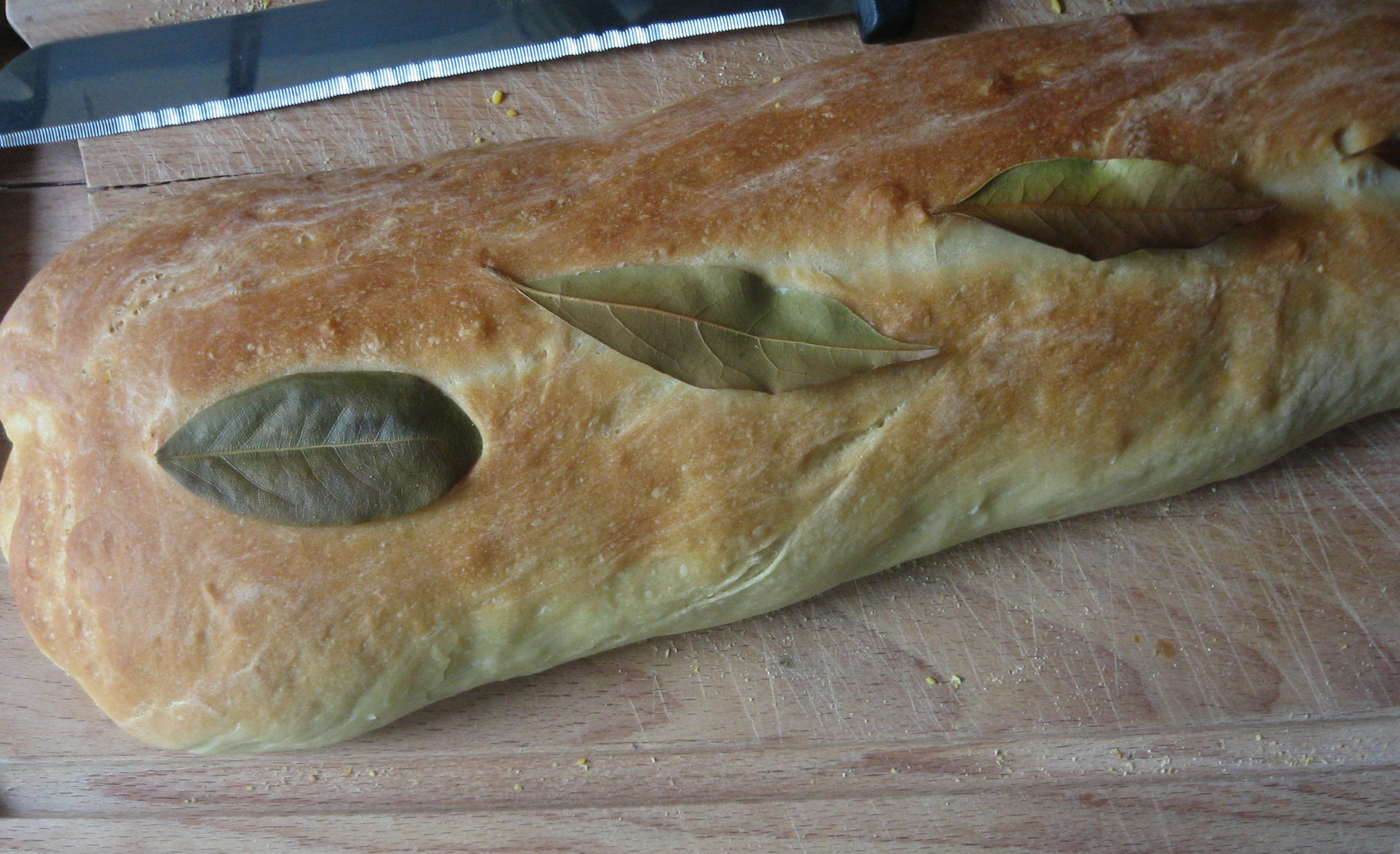
I made yet another attempt at producing Cuban pan de agua this morning with mixed results.  If my last loaf went French, this one stopped by Italy came out a pan de ciabatta or ciabatta de agua. The barely there crust of Cuban bread still eludes me but the slightly sweet flavor and airy texture were much closer.  When it rised up perfectly and plumped in the oven, I thought I finally had it but it wasn’t to be.  Nevertheless, I am getting warmer and will be diving into the flour bag again.  It’s hard to tell where my Cuban bread will go next.  Greece? Morocco?  Spain?  I’ll find out soon enough.

Ice Cold

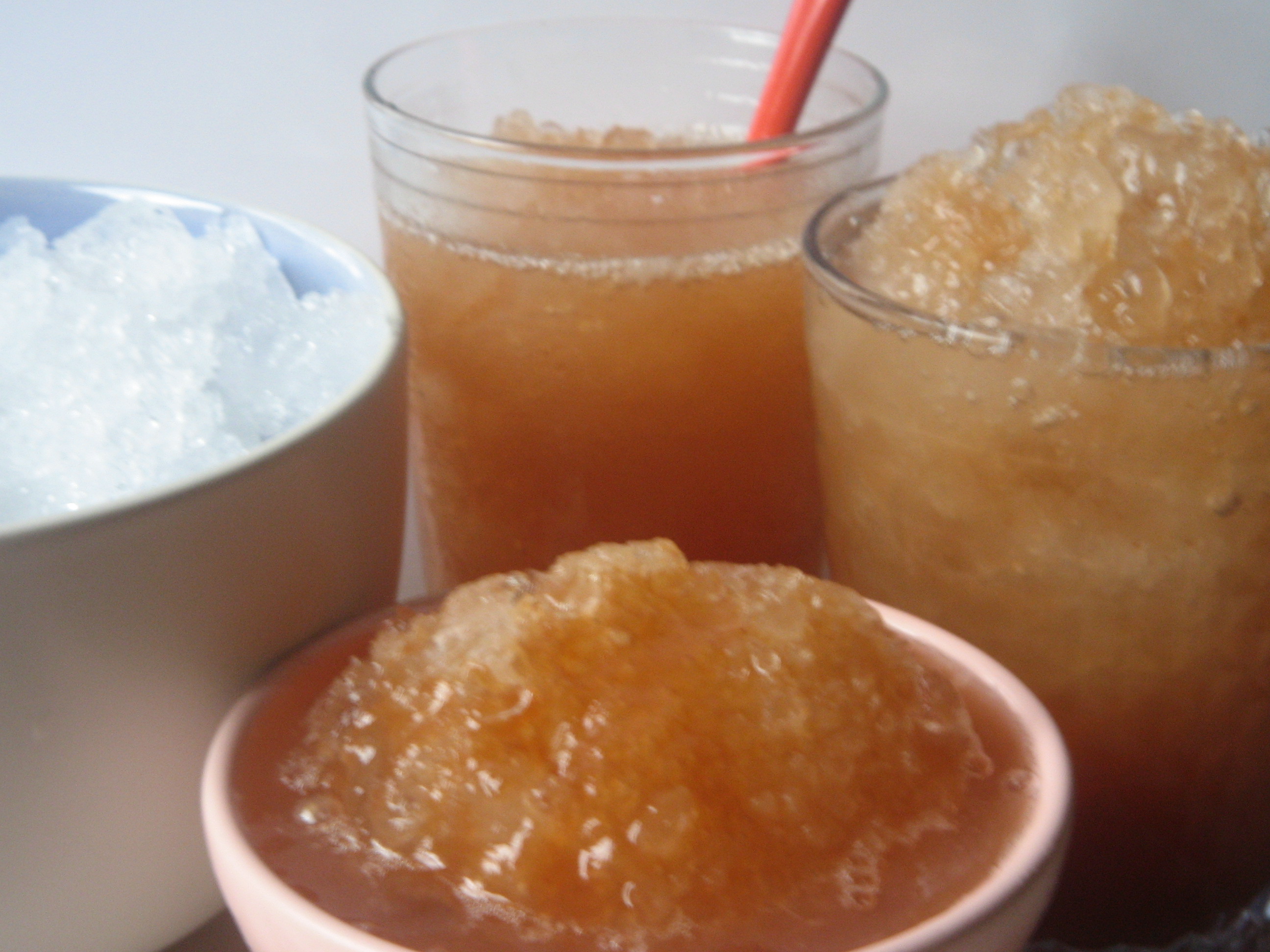
Anyone who has ever chased an ice cream truck, begged for an Italian ice on the way home, or broken their new Snoopy snow cone machine on Christmas morning (still bothers me), will understand how excited I was  when my friend sent me this article by pastry cook Gaby Camacho, A Chef Perfects the Paleta of Childhood, from the San Francisco Chronicle.  Raised in Tijuana, she sets off in search of the paletas and raspados of her childhood.  Remembering flavors like cucumber and lime, rose petals, and tequila, I could understand why she would be nostalgic.  As an adult, I’ve stayed away from raspberry blue popsicles and radioactive snow cones, but I love the idea of making them with fresh ingredients from home.  Trying the raspado de tamarindo first, I used all natural tamaring pulp from a nearby bodega to make the syrup.  I’ll try it again when I find fresh tamarinds and some of the other combinations she suggests as longs as the heat lasts.  It can’t be harder than chasing ice cream trucks.

Chayote Monday

While I always feel a little sad to see the weekend slip away, I like the hard reset of Mondays.  With new resolutions in place and wanting to have more vegetables, I tried chayotes for the first time.  A cross between a squash, cucumber and melon that are available year round, I’d see them in the grocery store but never thought to try them.  Consulting Diana Kennedy’s The Art of Mexican Cooking, I julienned and sauteed them with Serrano peppers in safflower oil and cooked them covered till they were al dente, then added a little cilantro and sea alt to taste.  An easy preparation for a fresh start.


Milking a Coconut

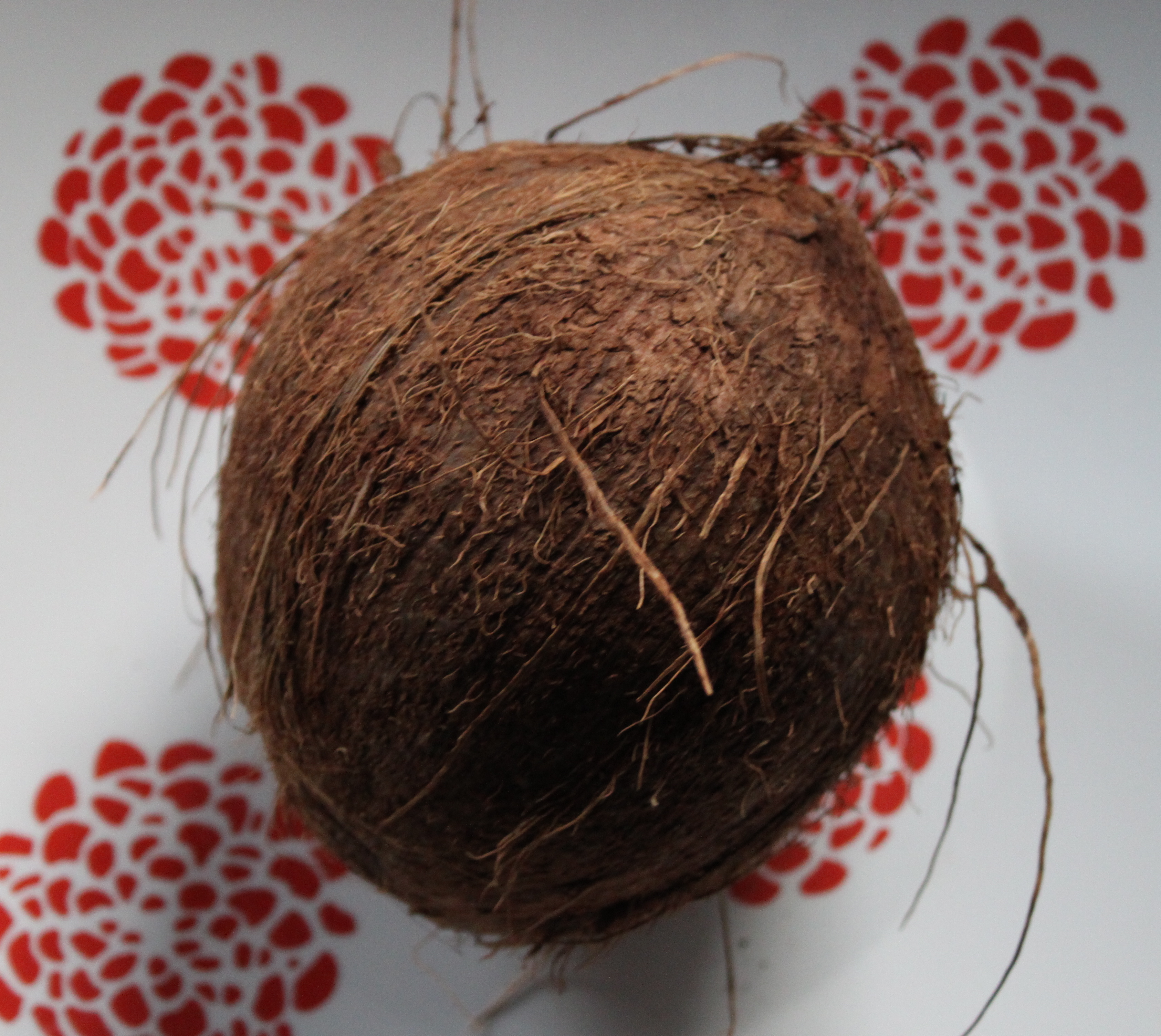
I was looking at different dessert recipes when my cousin sent me one for a Venezuelan bienmesabe, a coconut custard cake that required me to crack one open and extract the milk.  Picturing hammers and machetes and emergency room visits, I thought she was crazy if she thought I was going milk my own coconut.  My next thought was where in New York to find them.  In Miami this would not be a problem.  Though Miami Beach has become unrecognizable in many ways, you still see men pushing grocery carts of fresh green coconuts along red hot sidewalks.  With one balletic move, they’ll swing a giant machete to cut a tiny hole just big enough for a slender straw for a coco frio.  Fresh or dry, I knew my best chance was Essex Market in the Lower East Side.  I found them straightaway at Batista Grocery.  The clerk helped me pick out a few by shaking them to make sure they had water inside and offered to crack them open for me to be sure that the meat inside was still fresh.  For a moment, I was tempted.  It would be so much easier, but I was decided and it seemed a shame not to go through with it.  After all, it was a  pretty common kitchen technique before we were all hooked on cans.  So here are some pictures along with a few things I learned by milking my own coconut… Read more

Switching Things Around

I’ve been playing with Nitza Villapol’s Cuban version of Pollo Frito A La Milanesa.  The first time I made it with the canned tomato sauce and jarred peppers called for in the recipe.  It was good but a little too sweet and a touch too heavy for the summer we’ve been having.  Egged on by the appearance of the Schnitzel & Things truck in my neighborhood, the other fried meat, I tried it again with fresh peppers, tomatoes and breadcrumbs.  The peppers and tomatoes worked well, and I’ll make it often when a larger variety of tomatoes reach the farmer’s markets, hopefully in the next few weeks.  The fresh breadcrumbs however were a disaster.  The cutlets would brown unevenly and required way too much oil.  I decided to do what the recipe called for in the first place and use ground Cuban crackers to bread the chicken.  Though I also substituted olive oil for vegetable and replaced the whole eggs with egg whites, it was the cracker meal breading that offered the continuity from home, transforming it into the comfort food I associate with hot days.  I don’t know why I argue.

Read more

Last Minute

I was in the final stretch of making Sunday lunch for my uncle and favorite cooking aunt, debating where I should buy a jar of dulce de leche to add to the polovorones or shortbread cookies I’d made earlier.  The gourmet shops nearby carry the good but expensive La Salamandra while the Colombian stores have a wider selection but seemed too far away in Queens.  I decided to make my own instead.  Though I knew it was easily done at home, I’d always avoided it in the past.  Worried about exploding cans, we’d take them off heat too early and end up with milky mustard instead of a deep caramel (though it was still happily eaten).  I found these recipes on From Argentina With Love for making dulce de leche at home that skipped the treacherous can boiling.  Unwilling to face yet another grocery store run to buy whole milk, I tried the second version where a can of condensed milk is cooked in the top of a double boiler over a pan half filled with water.  Though it takes 2 to 2 1/2 hours, it only needs to be checked and stirred about every 45 minutes freeing me up to work on other things.  Because I’d rolled the polvorones thinner than usual, I watched the cookies closely and shortened the baking time to 10 minutes.  I let the dulce de leche cook the entire time for a thicker consistency.  Too rich to spread, it was the right consistency for holding together the crumbly cookies.  A painless last minute (+two hour) solution. Read more

Una Causa

I was curious when I read Katie Workman’s post in The Daily Beast about the rivalry between Peru and Chile over the potato’s origin.  I asked my aunt, who has lived in Lima enough decades to put down her own roots, if it was true.  When I received an all caps email from my usually soft spoken aunt, I knew not only was it true, it was serious.  I could see why countries would fight over it.  Comforting and generous, potatoes lend themselves to almost everything.  Regardless of its origin, I was curious to know what Peruvians did with them.  She directed me to a friend’s website, Yanuq, an extensive source for traditional and contemporary Peruvian recipes and ingredients.  I started looking at recipes for causas, mashed yellow potatoes seasoned with aji amarillo, lime juice, and oil and then stuffed with anything from octopus in olive sauce to chicken and beets.  Deciding to start picnic simple, I chose the causa de atún, a jelly roll or brazo gitano style loaf filled with tuna, tomatoes, and avocados.  Despite a wide market search, I wasn’t able to find the Peruvian aji amarillo but followed a suggestion on eGullet to use habaneros soaked in milk as a substitute.  Still, my market search did bear fruit since I found fresh chirimoyas instead with the sticker declaring them the product of Chile.  I wonder what Peru thinks of that? Read more

Ajo Blanco

I’ve wanted to post a recipe for ajo blanco since my friend Félix Ortiz told me about it several weeks ago.  Waiting out the garlic scapes and spring varieties in the farmer’s market, I finally tried it when the first full formed garlic appeared.  Trying to incorporate the mashing with the blending with the right amount of water, I ended up with three consecutive batches of garlic milk.  If you haven’t tried garlic milk, don’t.  Consulting Anya Von Bremzen’s The New Spanish Table, I was able to figure out what went wrong.  Without a mortar and pestle large enough to really work the oil into the bread and almond mixture, it didn’t emulsify the way it should, either too thin or too grainy.  I switched over to the blender after making the initial paste and it gave me the right consistency in a few whirls.  The final result was smooth, refreshing, and easy.  Typical of Málaga, this creamy white gazpacho makes a great light, mid-summer meal.

Read more