Skip to content

Posts by hungrysofia

Home!

So after 4 sad calls to technical support, 3 customer satisfaction surverys (I grade on a curve) and several emails to my new best friend (St.) Anthony of WordPress.com Automattic, I’m up and running.  If you’re reading this, you had no problem finding me.  I’m still decorating, but please let me know what you think of the new place…

Is Cinco de Mayo the Mexican Chanukah?

I must admit that when my uncle told me that Cinco de Mayo was just an excuse for Corona to sell more beer, I thought he was kidding until I found this editorial in the New York Times.  Apparently it’s a minor regional holiday hardly observed in Mexico outside of Puebla, which celebrates the defeat of the French army there in 1862.  Still, it does offer an all too brief day of recognition for Mexicans remaking their lives north of the border.  Besides, as the article points out, what holiday isn’t tainted by commerce?  I’m sure even ancient pagans would have harsh words about what Nestle’s done to the Easter Bunny. Read more

The Hard Way

I love doing unnecessary things, and I’m good at them.  I run ridiculous distances when not being chased, am a meticulous Christmas present wrapper, and a refrigerator door alphabetizer.  That’s why I am determined to make guava pastries from scratch even though I haven’t been able to pull off the puff pastry.  I tried again this afternoon with a dough I had made, and I ended up with guava scone/pop tarts instead.  To add insult to injury, I made a second batch with frozen Trader Joe’s artisan pastry that puffed pretty and were much less trouble.  Still, no sense of ownership on the Trader Joe’s, so I’ll just have to keep trying.

Make It Hot, But Not Yet

I hate being cold, but I love getting warm.  As soon as I found this recipe for “Age of Discovery” Vanilla-Scented Hot Chocolate from Maricel E. Presilla’s The New Taste of Chocolate: A Cultural & Natural History of Cacao with Recipes, I had to try it.  Based on a seventeenth-century treatise by Antonio Colmenero de Ledesma, the drink discovered in Mexico and brought to Spain was touted as a cure-all.  I had set off to make this a couple of months ago but had gotten sidetracked.  After the sudden onset of summer heat last week, I thought this would be my last hot chocolate for awhile. Read more

Next Time in Chile

I have no present plans to visit Santiago, Chile but I love saving these travel articles when I come across them.  I thought this wonderful review of Hosteria Doña Tina worth keeping if only because it says there are few restaurants in Santiago that serve traditional Chilean food, so I’ll want to remember where they put this one.  Actually, I find this true of many Latin countries, and I’m not sure why.  Perhaps because so many swear that the best, most authentic food can only be found in their homes, the only alternative is to have their actual mother as the chef and the brothers and sisters as waiters.

Kako’s Arepas

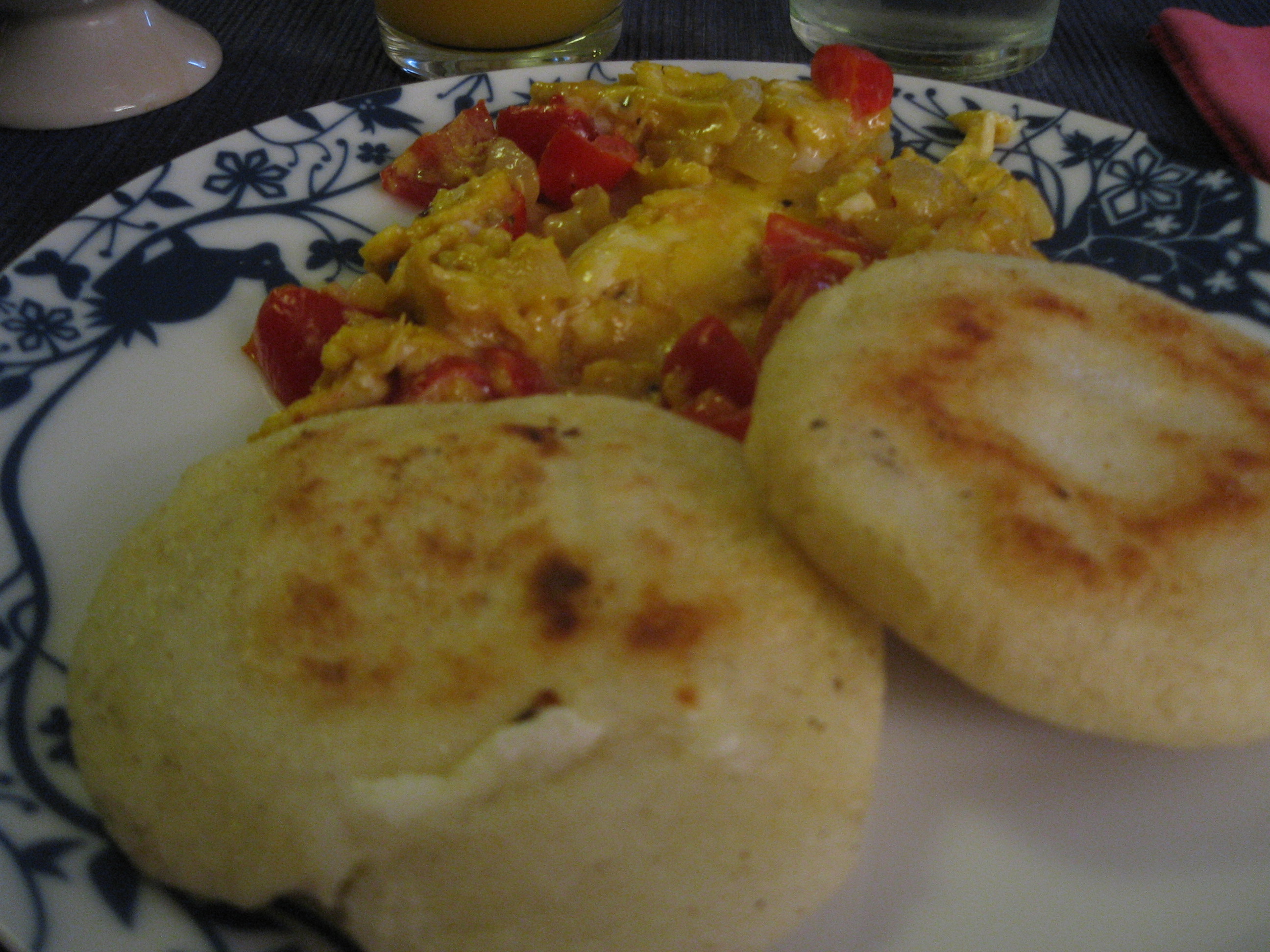
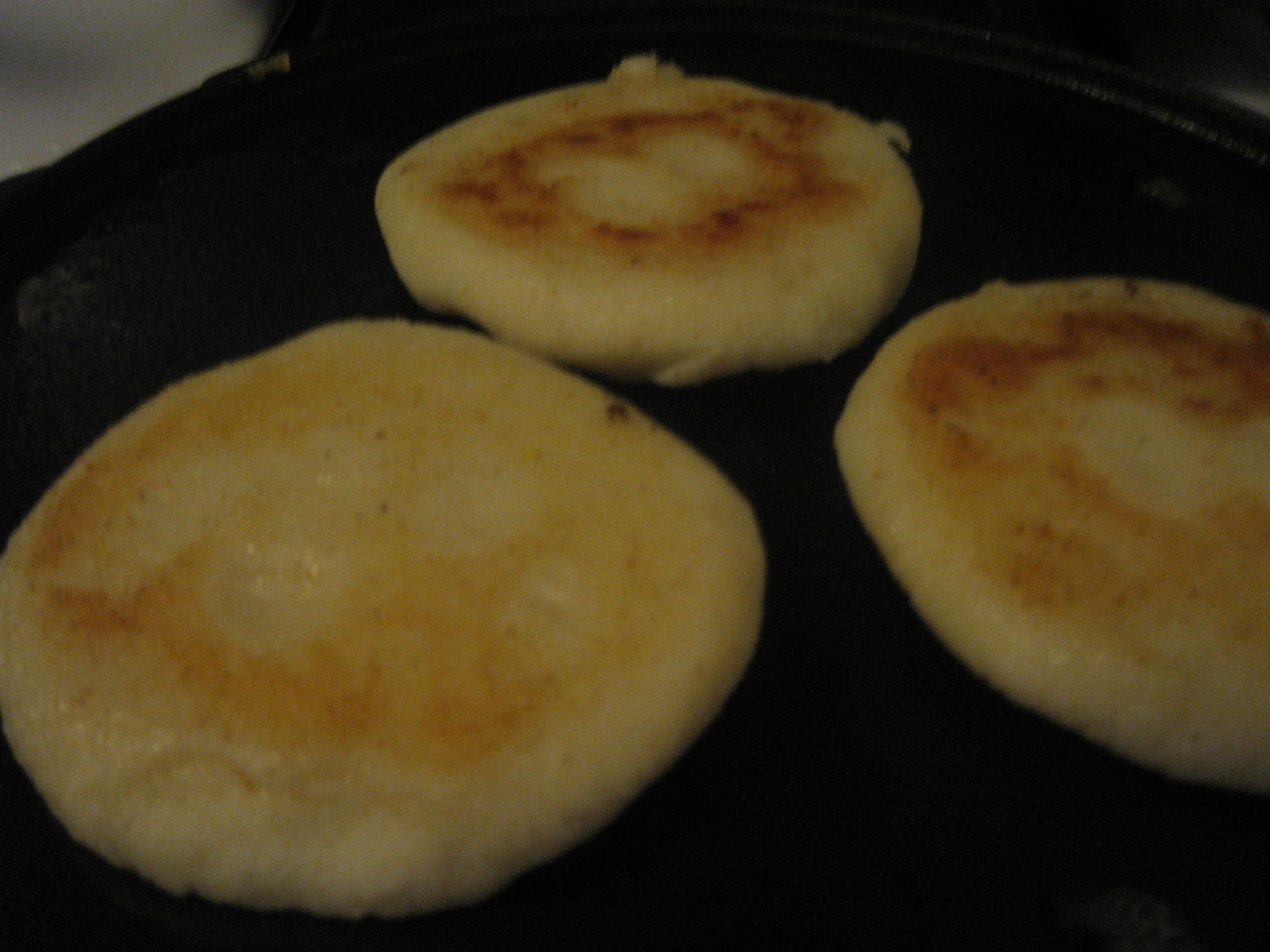
Now that I thought I had the right arepa pan, I was dying to test it out.  An increasingly popular street food trend, I wanted to master making them at home so I could have them with leftover guisados and the Colombian cheese I could only buy as a wheel.  Generally, I prefer the peaceful precision of baking, so I decided to follow the directions on the package and stuff them with ropa vieja I had left from earlier this week.  The results were disappointing, a little too messy, and definitely too raw.


Read more

The Spanish Goose Whisperer

I’d heard Dan Barber mention an ethical foie gras producer he’d discovered during a panel discussion for the Brooklyn Book Festival in 2007 so I was excited to come across a talk he gave this winter where he elaborated on his encounter with Eduardo Sousa, the owner of the Pateria de Sousa.  I always associate Extramadura with drought and a barren landscape so I fell in love with the paradisiacal description of the farm.  But then I’m not a goose.

Old Clothes/New Beginnings

When I asked my grandmother who’d taught her how to cook, her answer was always “el exilio”. Married in the 40’s and raising children in early 50’s Havana, she was very much a part of a generation that believed every modern convenience was invented to limit their time in the kitchen – a movement that if she hadn’t followed, she would have invented. Then like many women emigrating to Miami and starting over in a new country with less help and fewer resources to feed their families, the one guide they all shared was Nitza Villapol’s Cocina Criolla.

Known as the Cuban Julia Child (if those two things aren’t in fact mutually exclusive), her book became the center of every cuban kitchen in exile, providing a way for them to see their family’s through a difficult transition and begin recreating what they’d left behind. A controversial figure, whenever I have a basic question about Cuban cooking the first suggestion is always to check el libro de Nitza. Reading through it now, I find all kinds of idiosyncrasies. Cubans are unrepentant Francophiles so while they’re french terms sprinkled throughout, there’s an entire section that puts “pie” in quotes and names ingredients by their American brand names. Only available in a slight, paperback edition that looks dog-eared even when it’s new, it’s a popular gift even now for Cuban women who are either getting married or leaving home, whichever comes first. My own copy found me when I was helping to pack my grandmother’s belongings after she’d passed. I was shocked. First, that she owned a cookbook and second that it had clearly been used. Read more

Zagats in Cuba

I thought this article about food in Cuba from the Atlantic Monthly online was pretty accurate.  When I visited Havana in 2000, any food I had outside my family’s home tasted like ashes, and the service was indifferent when not insulting.  Inside, however, my great aunts were able to work miracles with the little food we’d brought, together with the fresh vegetables that had come in earlier that week from the countryside and sold house to house for dollars.   I remember a big part of each morning involved picking the stones from the rice.  There were also tiny stones in the queso guajiro we ate every night with bread and Menier chocolate from Miami.  Stones in rice inedible, stones in cheese dipped in chocolate, oddly fantastic.

Lost in Translation

Finding Latin American staples in New York is harder than you’d think.  A little spoiled, I expect everything to eventually make it’s way here though the trick is finding where its landed.  Divided by a common language, a dominican grocer will give you a noncommittal shrug when asked whether the mountain of batatas he’s standing in front is not actually the cuban boniatos that you’re looking for.  Although I’m fluent in Spanish, I have a second-generation-american’s insecurity when faced with a native speaker and assume the miscommunication is on my end.  That’s how I ended up lost in Jackson Heights buying a colombian arepa griddle which is actually a mexican comal for making tortillas, or maybe it’s both?